Blogs

June 9, 2023

Incorporating best practices for dangerous goods transportation can help reduce the risk of chemical incidents causing damage.
Hazardous materials (HAZMAT) or dangerous goods are any substances or materials that could pose risks to the health and safety of people and the environment in general.

However, hazardous materials are needed for essential purposes such as medical treatments and industrial processes. Therefore, it is important to understand the rules and regulations of HAZMAT shipping.

We’ll cover how to transport hazardous materials, the process of HAZMAT registration, and more.

What is HAZMAT shipping?

HAZMAT shipping is the process of transporting hazardous materials from point A to point B. This includes the preparation of documents, taking necessary precautions for safe transit, and labeling containers properly.

In the United States, federal law requires handlers and shippers to be trained and certified to safely handle and transport hazardous materials by air, ground, or water.

What is considered a hazardous material in shipping?

The US Department of Transportation (USDOT) – Pipeline and Hazardous Materials Safety Administration (PHMSA) has an extensive and comprehensive list of what they consider hazardous materials, each with its corresponding codes and classifications.

In general, this includes substances, materials, and hazardous wastes that are flammable, poisonous, corrosive, explosive, gases, oxidizing substances, or radioactive.

There are 9 classes of hazardous materials.

    • Class 1: Explosives

    • Class 2: Gases

    • Class 3: Flammable and Combustible Liquids

    • Class 4: Flammable Solid, spontaneously combustible, & dangerous when wet

    • Class 5: Oxidizer & Organic Peroxide

    • Class 6: Poison (Toxic) substances & poison inhalation hazard

    • Class 7: Radioactive

    • Class 8: Corrosive

    • Class 9: Miscellaneous, dangerous & limited marking quantity

In addition to the 9 classes, each entry in the Hazardous Materials Table specifies the requirements for the labeling, packaging, quantity, and documentation of each type of hazardous material.

For more information, refer to the USDOT Hazardous Materials online portal or the Hazardous Materials Information Center, which is available from Mondays to Fridays, 9 AM to 5 PM.

What is HAZMAT Registration?

Transporters and suppliers handling certain quantities and types of hazardous wastes and materials are required to file an annual registration statement to the USDOT – Pipeline and Hazardous Materials Safety Administration (PHMSA).

Who needs to file for hazardous materials registration?

Transporters who handle the following categories of HAZMATS are required to register:

    • Highway route-controlled quantity of Class 7 (radioactive) materials

    • Division 1.1, 1.2, or 1.3 (explosive) material that is more than 55 pounds

    • Material extremely toxic by inhalation that is more than 1 liter per package that meets the criteria for “hazard zone A”

    • HAZMAT in bulk packaging greater than 3,500 gallons for liquids or gases or greater than 468 cubic feet for solids

    • A shipment in other than bulk packaging of 5,000 pounds or more of one class of hazardous materials that requires placarding

Certain professional organizations, however, are exempted from the HAZMAT registration requirements, such as federal government agencies, state agencies, tribes, and tribal governments, etc.

There are also special registration requirements for farmers, water transportation providers, and hazardous waste generators.

When and where is the registration for hazardous materials?

The period for HAZMAT registration is usually between May and June every year. It is also the same period for HAZMAT registration renewal.

You can register by mail or online. HAZMAT registration by mail takes around 2 weeks to complete, whereas registering online, you can get your registration number within 1-2 days.

How much are the HAZMAT registration fees?

The HAZMAT registration fees vary depending on your business type and registration period (1, 2, or 3 years).

For small and non-profit businesses, the registration fee for 2023 to 2024 is $275, not including processing fees. For medium- to large-sized businesses, the fee is $2,600.

For HAZMAT registration assistance, you can contact DOT Compliance Group.

Who regulates HAZMAT shipping?

The USDOT PHMSA regulates hazardous materials transportation in the US. They make sure that all stakeholders in the supply chain (from manufacturers to shippers, carriers, and receivers) are in compliance with the Hazardous Materials Regulations (HMR).

US-DOT Title 49

The Electronic Code of Federal Regulations (e-CFR: Title 49 CFR Parts 100-185) provides full and complete requirements for the shipment of hazardous materials.

International Maritime Dangerous Goods Code (IMDG) Code

The IMDG code provides instructions for the safe transport of hazardous materials by water.

International Air Transport Association (IATA) Dangerous Goods Regulations

The IATA manual outlines instructions and regulations for the safe transport of hazardous materials by air.

International Civil Aviation Organization (ICAO) Technical Instructions

The ICAO technical instructions provide guidance on the air transport of dangerous goods.

What are the best practices for transporting hazardous materials?

To ensure the safe transport of hazardous materials, the following best practices should be observed:
1. Understand your responsibilities

Familiarize yourself with the applicable regulations and get training from a qualified person. At DOT Compliance Group, we can help you understand the regulations for HAZMAT transport and provide safety training.

2. Develop a hazardous materials shipping system

Develop or adjust your internal system for shipping hazardous materials. This includes procedures on how to properly package, label and document hazardous material shipments.

3. Ensure proper documentation

Make sure that you always have the necessary documents on hand during transit, like a Shipper’s Declaration of Dangerous Goods, a Certificate of Origin, and/or a Dangerous Goods Transport Document.

4. Use appropriate packaging and labels

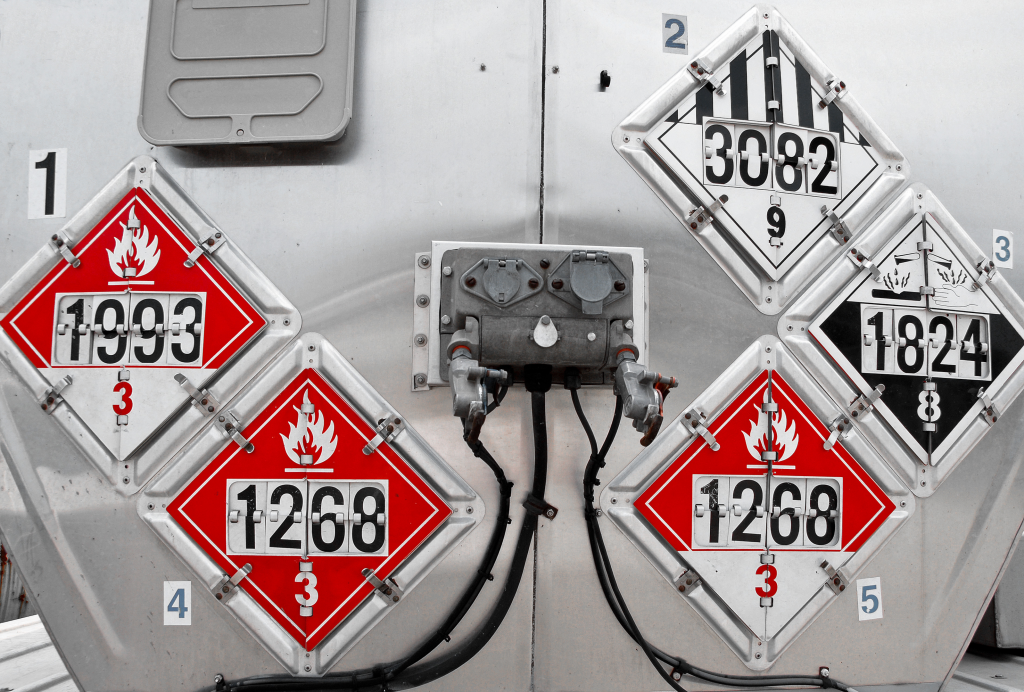
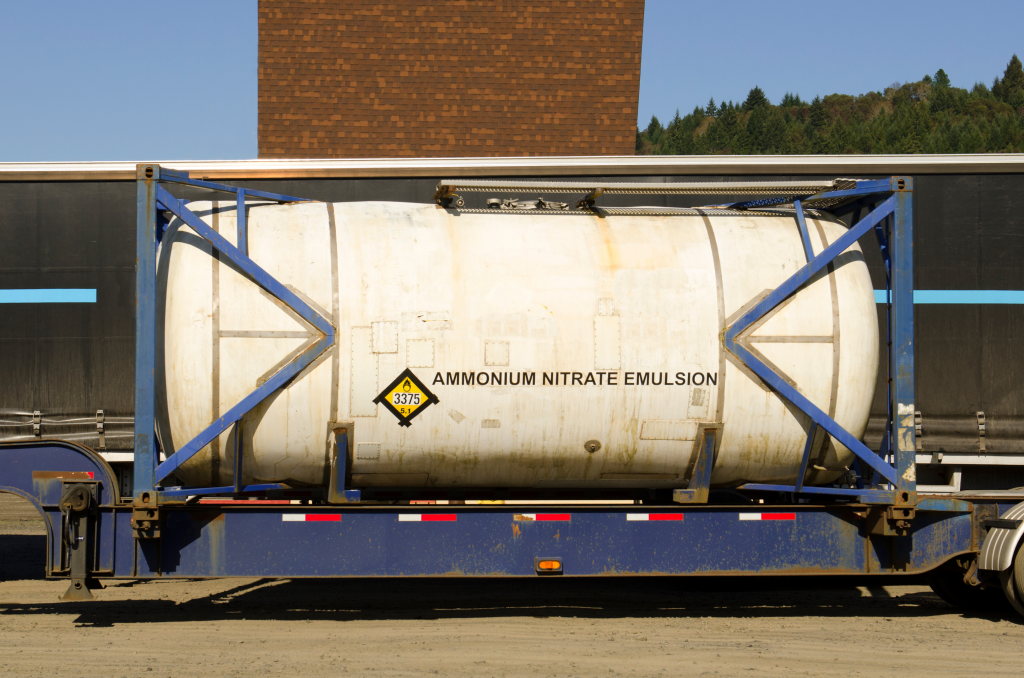
Make sure that the packaging is appropriate for the hazardous material and correctly labeled with hazard symbols, UN numbers, etc.

HAZMAT Shipping Guide

1. Assess the classification

The first step in shipping hazardous materials is to assess the classification of your HAZMAT. To do this, you can check the Occupational Safety and Health Administration (OSHA) Hazard Communication Standard: Safety Data Sheets to identify the hazardous material’s hazard class, UN number, etc.

You can also refer to USDOT PHMSA’s Hazardous Material Table.

2. Choose the right packaging

The type of appropriate packaging depends on the hazardous material’s hazard class. To check, refer to 49 CFR, Part 173, which details the general packaging requirements for HAZMATs. The PHMSA categorizes the packaging into 3 groups:

    • Packing Group I: Great Danger

    • Packing Group II: Medium Danger

    • Packing Group III: Minor Danger

3. Label appropriately

The labeling, markings, and placards used for hazardous materials must comply with 49 CFR, Part 172. For more guidance, refer to the Hazardous Materials Markings, Labeling and Placarding Guide.

4. Prepare the necessary documentation

Depending on the category of the HAZMAT and the transportation method, you may need the following documentation:

    • Shipper’s Declaration of Dangerous Goods: This is obtained from the shipper or supplier to certify that the hazardous material is properly packaged and labeled.

    • Certificate of Origin: This document states where the HAZMAT originated.

    • Dangerous Goods Transport Document: This document explains the type and quantity of hazardous materials contained in a shipment.

How safe are your HAZMAT shipping processes?

When shipping hazardous materials, compliance with the applicable regulations is paramount.

At DOT Compliance Group, we provide the necessary resources and guidance to help you understand how to comply with hazardous materials transportation regulations. We also offer specialized training and certification services to ensure the safe transportation of hazardous materials.

Contact DOT Compliance Group today to learn more about our HAZMAT registration services and how we can help you ensure the safe transport of hazardous materials.


FAQ

What Happens If You Fail a DOT Inspection?

If the vehicle or driver is deemed unsafe, they may be placed out of service, meaning the vehicle cannot operate until all violations are properly corrected.

Who decides which level of inspection to perform?

Both the Commercial Vehicle Safety Alliance (CVSA) and the Federal Motor Carrier Safety Administration have a part in DOT inspection levels. The CVSA develops the criteria and sets the procedures for every inspection level. The FMCSA establishes overall regulations and determines which vehicles must be inspected.

How often do DOT inspections happen?

DOT inspections can happen at any time. They most commonly happen during roadside stops and weigh stations. Carriers with higher risk, poor safety records, or hazardous material may be inspected more frequently.

What documents are required during an inspection?

Documents required during an inspection include but may not be limited to:

  • State driver’s license or commercial driver’s license
  • Medical examiner’s certificate
  • Record of duty status
  • Vehicle registrations
  • Periodic inspections document for all vehicles being operated
  • Shipping papers or bills of lading
  • Information for hazardous materials being transported
  • Proof of insurance

What are common DOT inspection violations?

According to the FMCSA, the 5 most cited roadside violations are:

  1. False Report of Driver’s Record of Duty Status: log falsification providing inaccurate or intentionally altered duty-status information.
  2. No Record of Duty Status (ELD Required): using a commercial vehicle without the required electronic logging device or valid time records.
  3. Inoperable Required Lamp: crucial lights (headlights, brake lights, turn signals, etc.) are not functioning properly.
  4. Operating a Commercial Motor Vehicle Without a Commercial Driver’s License (CDL)
  5. Operating a Commercial Motor Vehicle Without Proof of a Periodic Inspection: failure to meet FMCSA the maintenance standards of a required annual inspection.

Why is updating VMT important for compliance?

VMT is tracked to determine fuel tax obligations (Vehicle Miles Traveled Tax) used for road maintenance and improvements. Trucking companies must keep accurate records of VMT to ensure they pay the correct amount of taxes.

How often should VMT be updated?

For motor carriers VMT must be updated every two years along with the MCS-150 form for the Biennial Update.

Can VMT be tracked automatically with technology?

Yes, Electronic Legging Devices (ELDs), Fleet Management Apps, and Mileage Tracking Software are all technological advancements that can simplify the process of VMT tracking.

How does VMT affect taxes and fuel reporting?

Accurate VMT records help document mileage for business-related tax deductions, ensuring compliance with IRS regulations. It also supports fuel tax reporting by tracking the miles each vehicle travels in different jurisdictions, which is essential for state and federal fuel tax calculations. Proper tracking reduces errors, prevents penalties, and provides a clear record of operational costs.

How do I know when my Biennial Update is due?

  • Your filing schedule depends on the last two digits of your USDOT number. The last digit corresponds with what month the form needs to be filed in. January is 1, February is 2, March is 3, etc. The next to last digit determines the year (odd-numbered year or even numbered year). For example, DOT number 1234567 files their biennial update in July (7) of every even year (6). Contact us today to see if you’re due.

Does the Biennial Update cost money to file?

While you can file your Biennial Update yourself for no cost through FMCSA. The process can often be confusing and time-consuming. Our team can handle your filing for you, simplifying the process for you.

Do intrastate carriers need to file the update?

Yes, even if carriers stay within state lines, a biennial update is still needed for their USDOT number.

What happens if I miss my filing deadline?

  • Failure to complete biennial update to FMCSA can be subject to fines with a maximum penalty of $10,000. If your update is past due, you can still file it to restore your compliance status. Contact us today to file your form! https://biennialupdatenow.com/bu-update/ 

What are the new FMCSA rules in 2025?

  1. Civil Penalty Amount Increases
  2. Drug & Alcohol Clearinghouse Becomes Exclusive Source for checking driver history.
  3. ELD Technology Required
  4. SMS (Safety Measurement System) Modernization
  5. Crash Preventability Determination Program Expanded

When do the 2025 FMCSA regulations take effect?

The confirmed dates these regulations take effect is May 30, June 23, October 1, 2025.

How can trucking companies prepare for these changes?

Regularly reviewing your Safety Measurement System (SMS) scores and maintaining personal checklists for inspections, driver qualification files, and drug and alcohol testing helps catch issues before they affect audits. Partnering with DOT Compliance Group streamlines filings, reporting, and ongoing monitoring, taking the guesswork out of FMCSA regulations and keeping your operation audit-ready year-round.

What Triggers a DOT Compliance Review?

A DOT compliance review is triggered when FMCSA wants to ensure a carrier is following safety regulations. Common triggers include high SMS safety scores, a history of crashes or violations, and previous noncompliance. Staying proactive with accurate records, driver files, and regular internal audits helps reduce the likelihood of a review.

Where can I get help with FMCSA filings?

DOT Compliance Group can assist with any help or questions you may have about FMCSA filings. Call 972-476-9962.

How long are violations kept on record?

According to the Clearinghouse rules, drug and alcohol violations remain in the FMCSA Clearinghouse for five years, provided all requirements (such as completing the return‑to‑duty process) have been met before that period ends.

What if an employer makes a mistake in reporting?

In practice, correcting an employer reporting error typically involves identifying the mistake in the database and then submitting a request for correction through the Clearinghouse portal or FMCSA procedures, so the record reflects accurate information. 

What are the penalties for non-compliance?

FMCSA rules allow civil penalties for non‑compliance, and separate authorities note that employers who fail to meet Clearinghouse requirements may face civil fines or criminal penalties under federal regulations.

Do trucking companies check the Clearinghouse?

Yes — trucking companies check the Clearinghouse as part of their hiring and compliance process. The FMCSA Clearinghouse is designed so employers can search a driver’s drug and alcohol violation records before permitting them to operate a commercial vehicle. Employers are required to conduct these queries for both prospective and current drivers as part of compliance.

How MOTUS Changes Daily Compliance Operations

MOTUS primarily changes system access and verification, not safety rules. Login issues, verification delays, or profile errors could temporarily affect filing ability if not addressed early. Even when regulations themselves remain unchanged, system transitions can create operational confusion. Proper preparation helps prevent disruptions in daily compliance operations.

When will MOTUS fully launch for motor carriers?

Phase 2 of MOTUS, which includes motor carriers, brokers, and freight forwarders, is expected mid-to-late 2026. During this phase, users will create accounts, complete business verification, and begin filing through the system. Post-launch enhancements and refinements will continue afterward.

Who is required to use MOTUS?

MOTUS will apply to interstate carriers, brokers, freight forwarders, passenger carriers, and Mexico-domiciled carriers operating in the U.S. Intrastate requirements remain governed by state regulations, though some states still require USDOT registration. For authority holders, additional insight is available in our guide to Motus registration for carriers and brokers.

Does MOTUS replace the FMCSA Portal?

MOTUS does not directly replace the FMCSA Portal. It modernizes and centralizes functions currently spread across multiple systems. Over time, it will replace legacy registration platforms.

Does MOTUS replace the Unified Registration System (URS)?

MOTUS is part of the FMCSA’s broader modernization effort and is intended to replace fragmented registration processes, including legacy URS functions. It consolidates and modernizes legacy registration systems over time, but does not change the core regulatory requirements for carriers.

Will MOTUS eliminate MC, FF, or MX numbers?

No, MOTUS will not eliminate MC, FF, or MX numbers. The modernization affects access and verification — not authority structure. Existing authority numbers stay valid; MOTUS only changes how registration data is accessed and managed.

0 Comments

Submit a Comment